Snoring & Sleep Apnea40% of adult men and 24% of adult women snore regularly
Snoring disrupts sleep for you and your partner, and can be a sign of obstructive sleep apnoea, which needs a medical diagnosis first. Fotona NightLase uses laser energy to tighten the soft palate and reduce snoring.
- 3
- None
- 12–18 months
- Complimentary
The concern
What causes snoring and sleep apnoea
Snoring occurs when air flows past relaxed tissues in the throat, primarily the soft palate and uvula, causing them to vibrate during breathing. As these tissues lose collagen and elasticity with age, they become more lax and prone to vibration. Factors that worsen snoring include alcohol consumption, sleeping position, nasal congestion, obesity, and anatomical variations.
Obstructive sleep apnoea (OSA) is more serious. The airway partially or completely collapses during sleep, causing repeated breathing pauses through the night. OSA affects an estimated 5–10% of Australian adults and is associated with higher risk of hypertension, heart disease, stroke, diabetes and daytime fatigue. Many people with OSA are undiagnosed.
Simple snoring may respond to tissue tightening alone. Sleep apnoea needs a medical diagnosis first, and moderate to severe OSA usually needs CPAP or other medical care. NightLase is a snoring treatment and does not replace that.
Snoring affects sleep, health and relationships
Chronic snoring reduces sleep quality for both the snorer and their bed partner. Poor sleep is linked to impaired cognitive function, reduced immune response, weight gain and increased accident risk. Partners of heavy snorers lose an estimated 1–2 hours of sleep a night.
Undiagnosed OSA carries more serious risks, because repeated drops in oxygen during sleep strain the cardiovascular system. If your snoring is loud, includes gasping or choking, or comes with heavy daytime sleepiness, see your GP about a sleep study before or alongside snoring treatment.
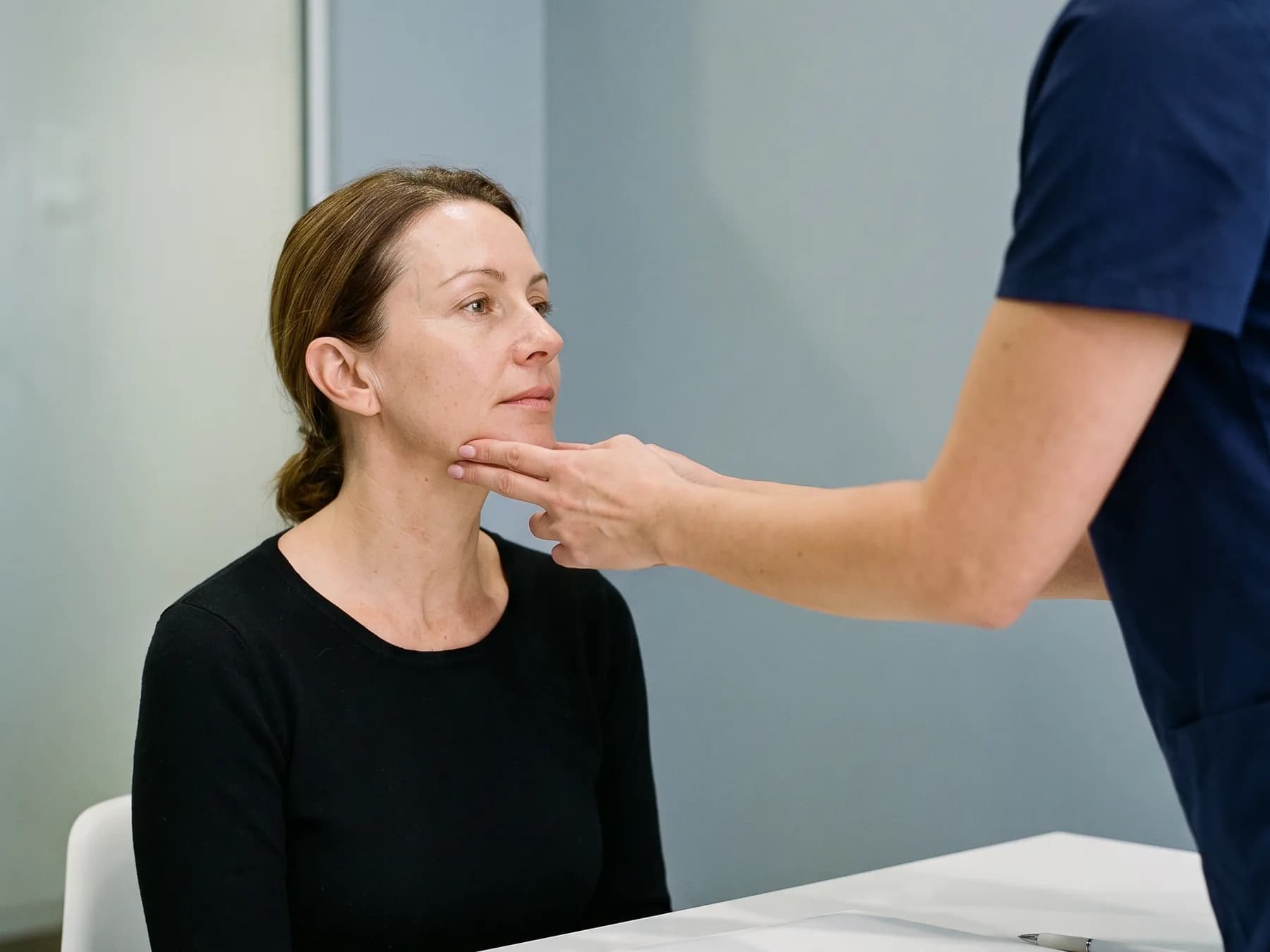 A practitioner talking a client through treatment options at the 99 Medispa consultation desk
Treating it
Snoring treatments compared
We offer Fotona NightLase for snoring. CPAP, oral appliances, surgery and positional therapy are the usual options for sleep apnoea and are available elsewhere.
At 99 Medispa
- Fotona NightLase
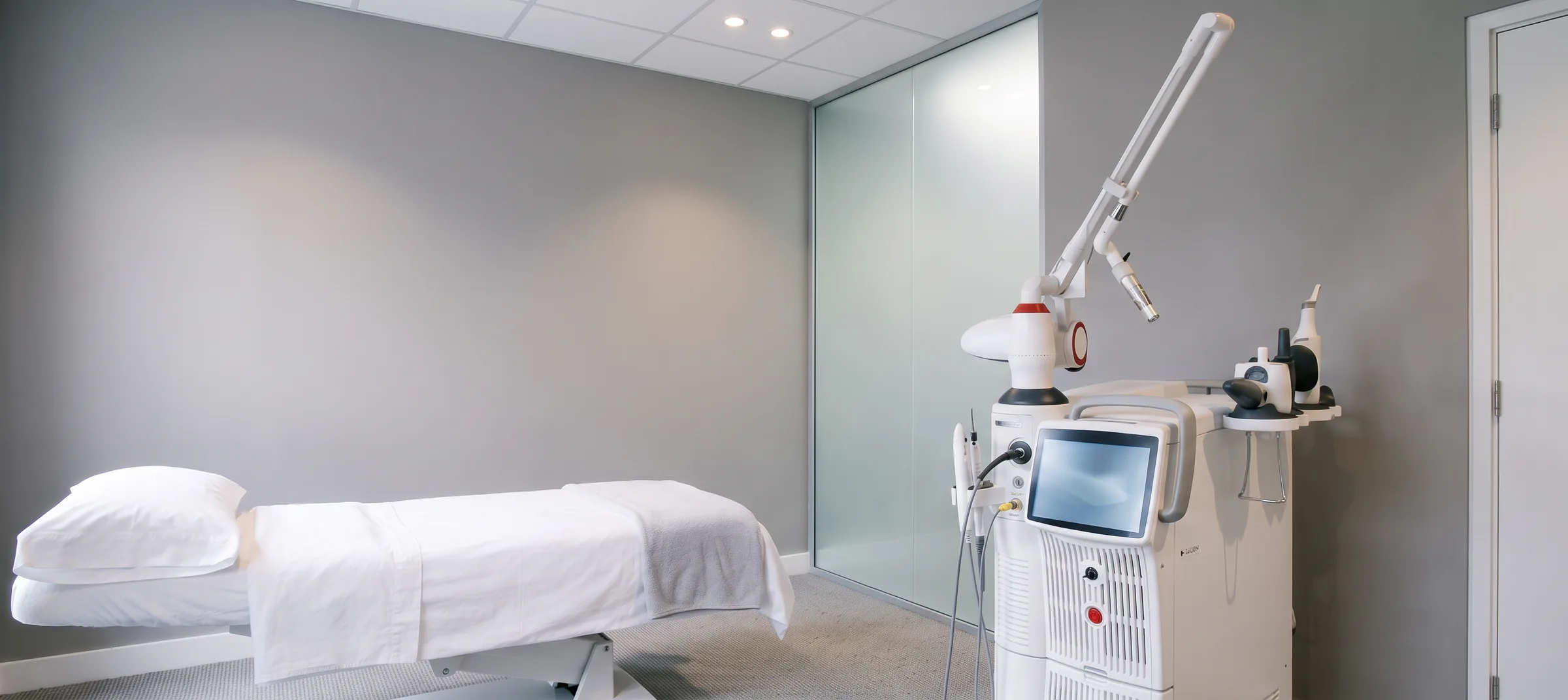
NightLase uses Fotona's Er:YAG laser to deliver controlled thermal energy to the mucosal tissue of the soft palate, uvula, and oropharynx. The gentle heating causes collagen contraction and remodelling in the tissue, tightening it and reducing its tendency to vibrate during sleep. The treatment is done inside the mouth, with no incisions, anaesthesia or appliances. A standard protocol is 3 sessions spaced 3 weeks apart, with results lasting 12–18 months.
Elsewhere, not offered here
CPAP
Continuous Positive Airway Pressure (CPAP) is the standard treatment for moderate to severe obstructive sleep apnea. It delivers pressurised air through a mask to mechanically splint the airway open during sleep. CPAP works when used consistently, but many people struggle to keep using it because of mask discomfort, claustrophobia or inconvenience.
Oral Appliances (MAD)
Custom-fitted oral appliances reposition the lower jaw forward during sleep, which opens the airway and reduces soft tissue collapse. Effective for simple snoring and mild to moderate OSA. Requires fitting by a specialist dentist. Common side effects include jaw discomfort, tooth movement, and dry mouth.
UPPP Surgery
Uvulopalatopharyngoplasty surgically removes excess tissue from the soft palate, uvula, and pharynx to widen the airway. It is the most common surgical treatment for snoring and OSA. Success rates vary (40–60% for OSA), and recovery involves significant throat pain for 2–3 weeks. Reserved for cases where conservative treatments have failed.
Positional Therapy
Snoring and mild OSA are often worse when sleeping on the back (supine position). Positional therapy devices encourage side-sleeping. Losing 10% of body weight can reduce snoring in overweight people by reducing tissue bulk around the airway. These changes work well alongside other treatments.
Results and the clinic
Non-invasive snoring treatment in Sydney CBD
At 99 Medispa Sydney, NightLase is done in the clinic with a TGA and FDA approved Fotona laser. There is no surgery, no nightly appliance and no downtime. We confirm whether it suits your snoring pattern at your consultation.
- 3
- 12–18 months
- No
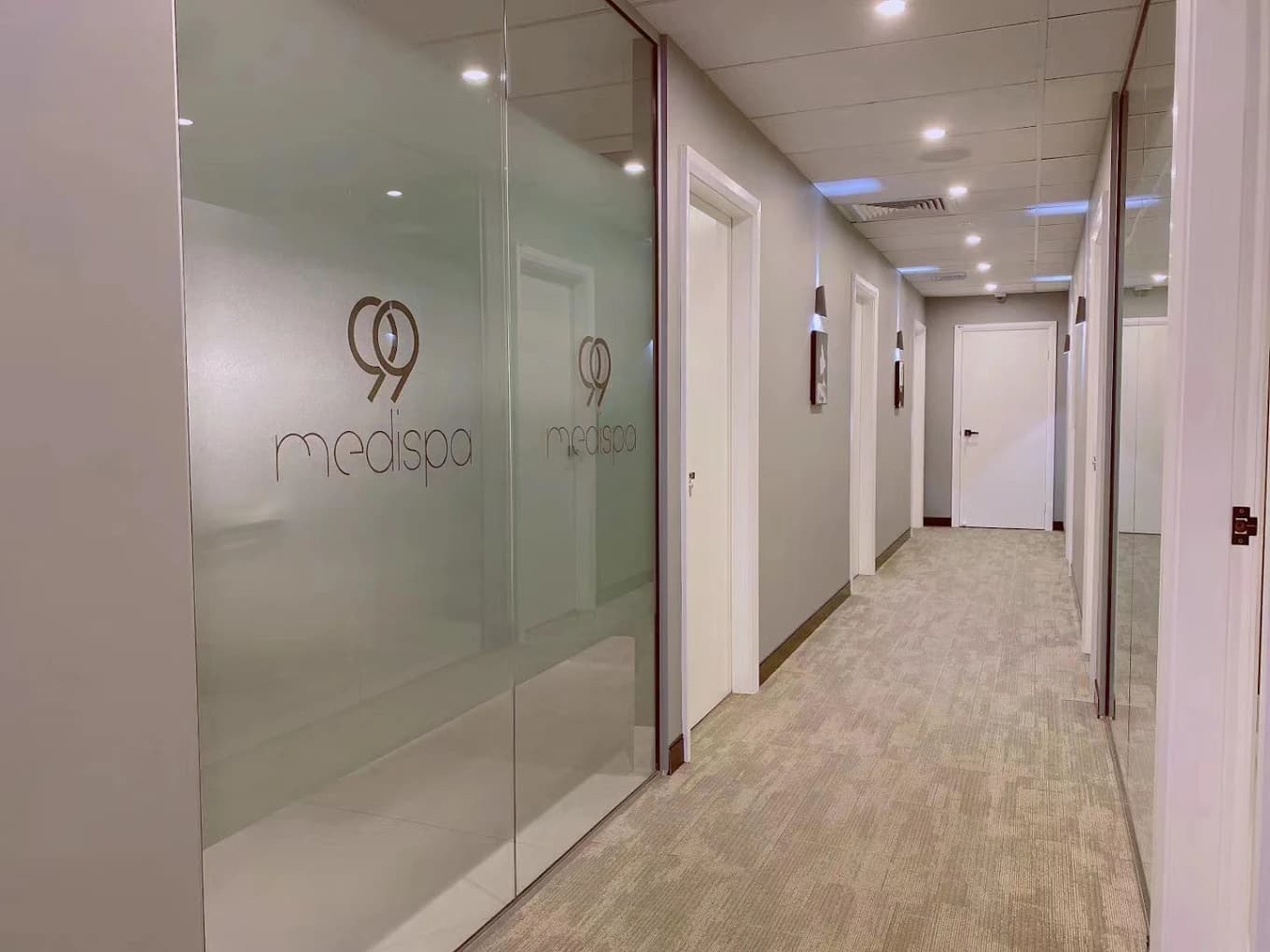 99 Medispa clinic interior corridor, Sydney CBD
Before you decide
Questions
What causes snoring and sleep apnoea?
Snoring occurs when relaxed throat tissues, especially the soft palate and uvula, vibrate as air passes during sleep. Obstructive sleep apnoea is more serious: the airway partially or fully collapses and causes repeated breathing pauses. Loud snoring with gasping, choking or daytime sleepiness needs a sleep study.
What treatment is available for snoring?
99 Medispa offers Fotona NightLase. The Er:YAG laser gently heats mucosal tissue in the soft palate, uvula, and oropharynx to stimulate collagen contraction and remodelling. Tightening the tissue reduces its tendency to vibrate during sleep. A standard protocol is 3 sessions spaced about 3 weeks apart.
Is there downtime after NightLase?
There is no downtime. Treatment is done inside the mouth without incisions, anaesthesia or appliances. Most people describe a mild warming sensation and can eat, drink, speak and return to normal activities straight after.
Who is suitable for NightLase?
NightLase suits people with simple snoring from soft-palate laxity. Sleep apnoea needs a medical diagnosis first, and moderate to severe OSA usually needs CPAP or oral appliances. Get a sleep study if you have apnoea symptoms.
How do I book a NightLase consultation?
Book a consultation at 99 Medispa in Sydney CBD. A practitioner will go through your snoring history and sleep quality, say whether NightLase suits you, and tell you if a sleep study should come first.
Your consultation
We ask about your snoring history, sleep quality and airway health. Then we tell you whether NightLase suits you and how much improvement to expect.
- 99 York St, Sydney CBD
- Fotona NightLase
- 3 sessions
Related pages
Flexible payment options
We offer payment plans with TLC, Zip and Afterpay. Ask us at your consultation for details.
Start with a consultation
A practitioner assesses your concern and recommends the treatment that suits it.
Complimentary consultation. No deposit required.