
PicoSureLaser Sydney
PicoSure is a picosecond laser for pigmentation, post-acne marks and tattoo removal, offered at 99 Medispa, 99 York St, Sydney CBD, near Town Hall and Wynyard stations. A course is 3 to 5 sessions of 15 to 30 minutes, spaced several weeks apart, and downtime is low. Consultations are in English, Mandarin and Cantonese.
The picosecond laser at 99 Medispa in Sydney CBD, used for pigmentation, post-acne marks, tattoo removal, skin revitalisation and selected textural concerns. We set the laser to your skin and your concern. PicoSure can be a strong option if your concern includes visible pigment, post-acne marks, uneven tone or texture.
- Picosecond laser
- 3-5 treatments
- Low
- Pigment + renewal
How it works
What makes PicoSure different?
At 99 Medispa in Sydney CBD, PicoSure is used for pigmentation (sun spots, freckles, age spots and post-inflammatory marks), post-acne marks and selected acne scarring, skin revitalisation, and tattoo removal.
PicoSure delivers ultra-short pulses of laser energy that target pigment and stimulate skin remodelling with less heat than older lasers. That makes it a strong option if you want pigment correction plus revitalisation.
Depending on the settings, PicoSure can support pigmentation correction, post-acne marks, surface texture, pore refinement and general skin brightness.
At a glance
- 15-30
- 3-5
- Low
- 755nm
Treatment highlights
What is PicoSure best for?
PicoSure often suits pigment, acne marks and surface-level texture. It can also support other rejuvenation treatments when the goal is clearer, brighter, more even skin.
Pigmentation and sun damage
Useful for freckles, age spots, uneven tone and visible pigment that needs a precise laser.
Post-acne marks and texture
Fractional modes can support smoother texture, reduce visible post-inflammatory marks, and stimulate collagen remodelling.
Skin revitalisation
PicoSure can also brighten skin, refine pores and help skin that looks dull or uneven.
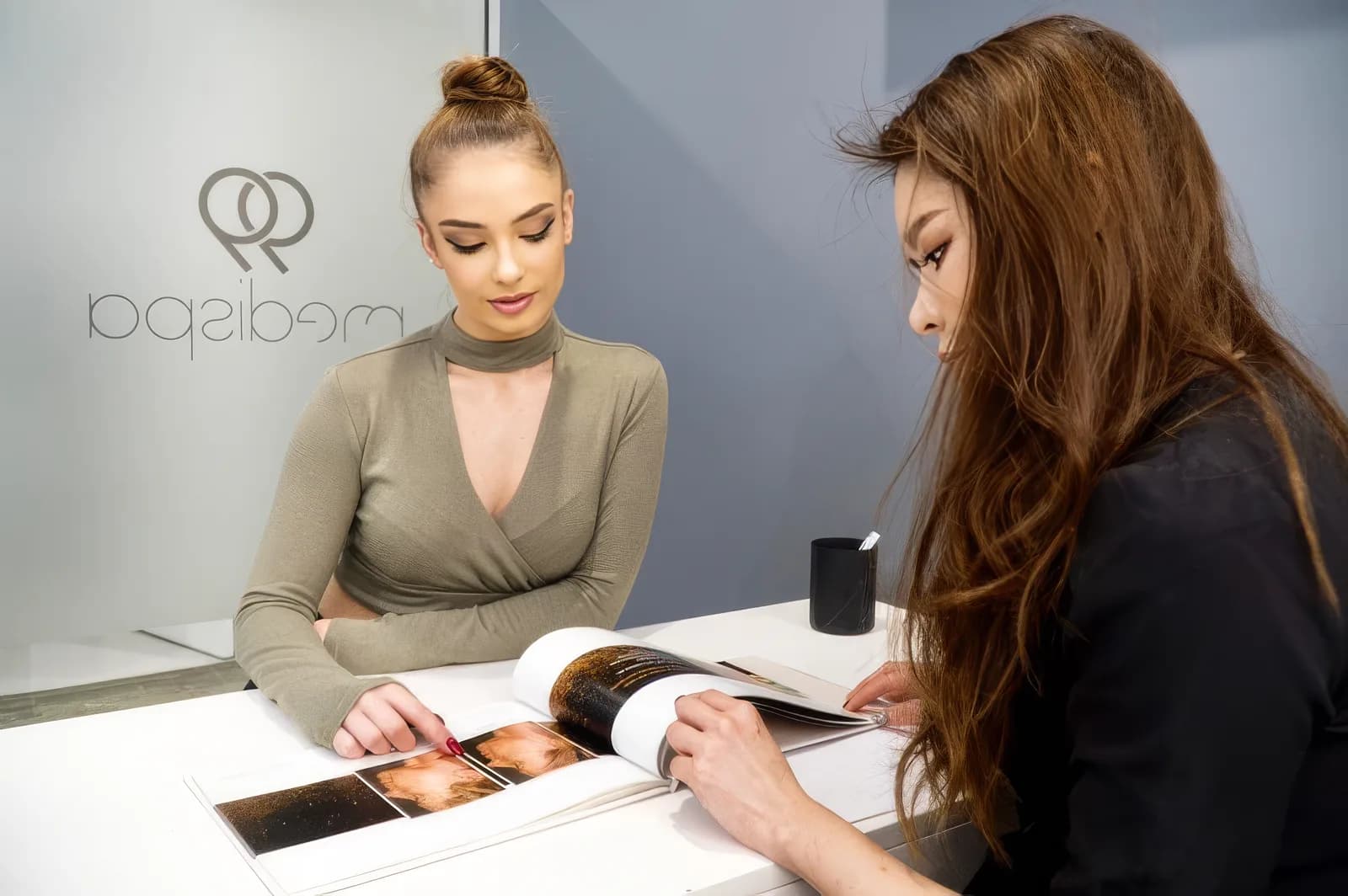
 A practitioner talking a client through treatment options at the 99 Medispa consultation desk
Your treatment
How does PicoSure treatment work?
The laser uses very short pulses of energy that break up visible pigment and stimulate skin renewal. Settings vary with the concern, your skin response and the area treated.
Look at the skin
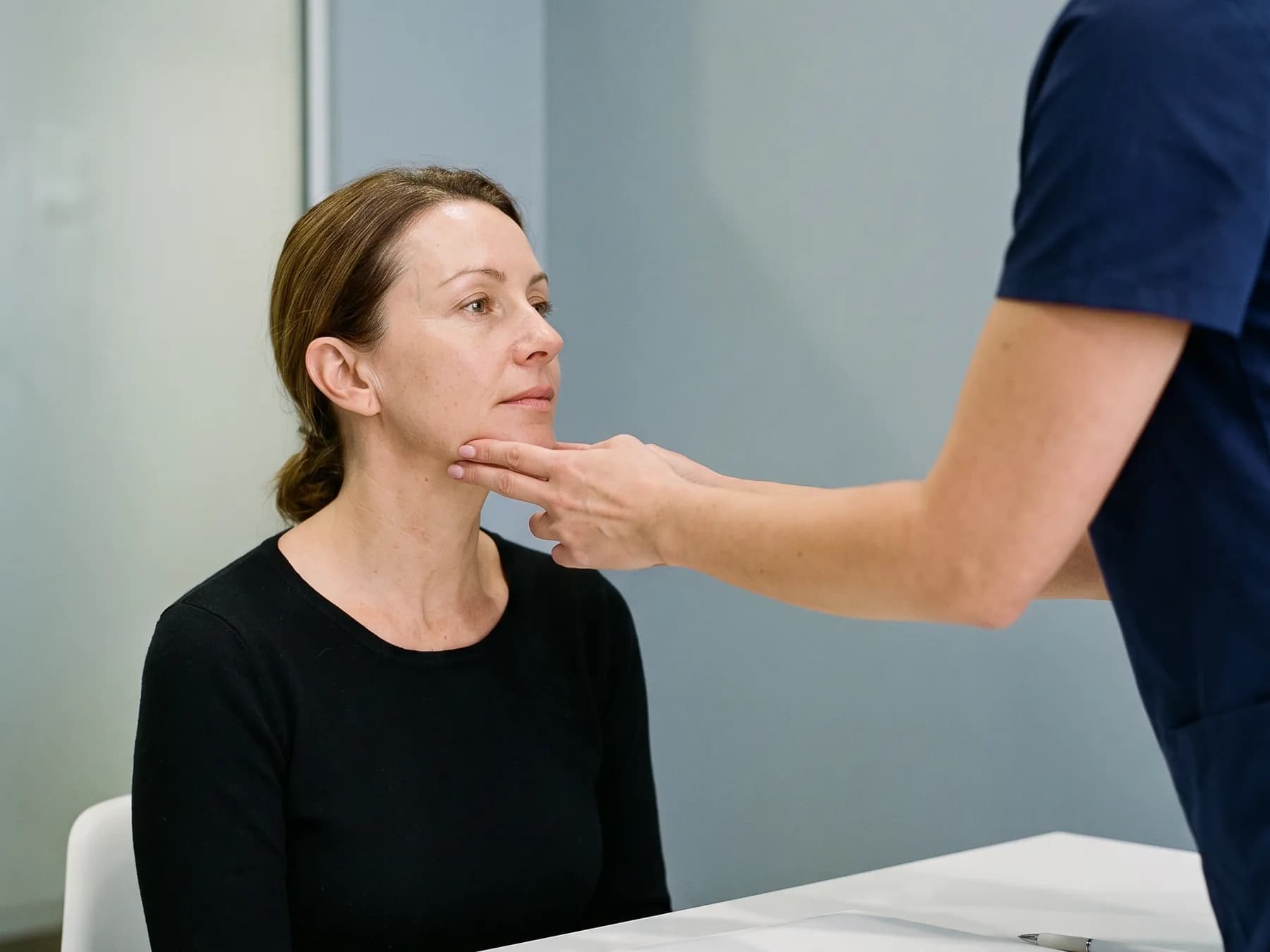
We review your concern, pigment pattern, skin type, current routine and recent sun exposure before recommending laser treatment.
Set the laser
We set the treatment for pigment, texture, rejuvenation or a combination, depending on your concern.
Treat with cooling support
We wear protective eyewear and use cooling to keep treatment precise and comfortable across the area.
Build results over time
Pigment clears and skin gradually remodels over a series of treatments, with aftercare and sensible spacing.
PicoSure can be used across pigmentation, revitalisation and selected fractional protocols. If another treatment suits your concern better, we will say so.
Is PicoSure right for you?
PicoSure can be a strong option if your concern includes visible pigment, post-acne marks, uneven tone or texture. We will say whether it should be the main treatment or part of a broader plan.
Pigmentation and sun spots
Freckles and age spots
Post-acne marks
Selected acne scarring and textural irregularity
Pore refinement and overall skin clarity
Skin revitalisation and brightness
Is PicoSure suitable for Asian skin and darker skin types?
Fitzpatrick types rate skin from I (palest) to VI (darkest). Asian skin and darker skin (types III to VI) carry more epidermal melanin, which competes for laser energy and raises the risk of post-inflammatory hyperpigmentation, where skin darkens after irritation or injury. The risk is higher in darker skin (Dreifus et al., 2026; Davis and Callender, 2010; Manuskiatti et al., 2024).
PicoSure is the laser 99 Medispa uses for pigmentation on darker skin, including Fitzpatrick types IV to VI. Its picosecond pulses are far shorter than the nanosecond pulses of Q-switched lasers. The shorter pulse breaks up pigment mainly through a photomechanical (pressure) effect and works at lower fluences than a nanosecond pulse (Saluja and Gentile, 2020).
In a review of 13 Chinese patients treated with a picosecond 755 nm laser for pigmented lesions, none developed post-inflammatory hyperpigmentation and two had temporary lightening. Q-switched lasers have a reported risk of up to 25% in Asians (Chan et al., 2016). In 56 patients with skin types IV to VI, a 755 nm picosecond laser caused transient redness and darkening that resolved (Haimovic et al., 2016).
These studies were small and retrospective, and most research in darker skin involves East Asian patients (Alexis, 2013).
Settings are adjusted for darker skin, for example with lower energy and sessions spaced further apart. A review of laser use in skin of colour recommends sequential, lower-energy treatments (Dreifus et al., 2026), and a split-face study found post-inflammatory hyperpigmentation was less frequent with a lower-fluence fractional technique than with a conventional one (Manuskiatti et al., 2024).
A test patch may be advised before a full treatment. Sun protection applies before and after every session. Photoprotection is part of managing post-inflammatory hyperpigmentation (Davis and Callender, 2010) and of laser treatment in skin of colour (Dreifus et al., 2026).
Melasma is a separate case. It is a hyperpigmentary disorder that is challenging to treat and may be a photoaging disorder in genetically predisposed people (Passeron and Picardo, 2018). Aggressive treatment often leads to rebound melasma (Geddes et al., 2017), so the plan is conservative. Picosecond lasers have been studied in melasma, with the evidence rated level II in a systematic review (Wu et al., 2021).
Cost and the clinic
What our clients say
 Google Reviews
The research
These studies looked at lasers in Asian and darker skin and at melasma. Each reports on the group it studied, most were small and several were retrospective, and none can predict your result. The 2026 review was published online ahead of print.
- Laser and energy-based device use in skin of color: A clinical review of safety, efficacy, and best practices (opens in a new tab)
Dreifus et al., Journal of the American Academy of Dermatology, 2026. A review reporting that in Fitzpatrick types IV to VI, increased epidermal melanin competes for laser energy and raises the risk of post-inflammatory hyperpigmentation. It describes low-fluence picosecond Nd:YAG and Q-switched lasers as having favourable profiles for pigmentary disorders, and recommends strict photoprotection and sequential, lower-energy treatments. It notes a lack of large prospective trials in darker skin types.
- Postinflammatory hyperpigmentation: a review of the epidemiology, clinical features, and treatment options in skin of color (opens in a new tab)
Davis and Callender, Journal of Clinical and Aesthetic Dermatology, 2010. A review reporting that postinflammatory hyperpigmentation tends to affect darker-skinned patients with greater frequency and severity, that treatment includes photoprotection with a sunscreen, and that caution is needed with all treatments to avoid irritation that can worsen it.
- Lasers and light-based therapies in ethnic skin: treatment options and recommendations for Fitzpatrick skin types V and VI (opens in a new tab)
Alexis, British Journal of Dermatology, 2013. A review reporting a greater risk of dyspigmentation and scarring with laser and light therapies in skin of colour, which calls for careful selection of device and parameters. It notes that most published data involve East Asian patients, with few studies in skin types V and VI.
- A retrospective analysis on the management of pigmented lesions using a picosecond 755-nm alexandrite laser in Asians (opens in a new tab)
Chan et al., Lasers in Surgery and Medicine, 2016. A retrospective review of 13 Chinese patients treated with a picosecond 755 nm alexandrite laser for benign pigmented lesions. Two patients had transient hypopigmentation and none had post-inflammatory hyperpigmentation. The authors note that Q-switched lasers carry a reported risk of post-inflammatory hyperpigmentation of up to 25% in Asians.
- Safety of a picosecond laser with diffractive lens array (DLA) in the treatment of Fitzpatrick skin types IV to VI: A retrospective review (opens in a new tab)
Haimovic et al., Journal of the American Academy of Dermatology, 2016. A retrospective chart review of 56 patients with Fitzpatrick skin types IV to VI treated with a 755 nm picosecond laser and diffractive lens array. Transient erythema and hyperpigmentation were reported and resolved in all cases. The authors note the retrospective design as a limitation.
- Exploring Fractional Pigment Toning: A Novel Approach for Treating Benign Pigmented Lesions in Asian Patients With Fitzpatrick Skin Types III-V (opens in a new tab)
Manuskiatti et al., Lasers in Surgery and Medicine, 2024. A split-face study of 27 patients using a 532 nm picosecond laser. Post-inflammatory hyperpigmentation was more frequent with a conventional technique than with a lower-fluence fractional technique, showing that the settings used change the risk in darker skin.
- A Systematic Review of Picosecond Laser in Dermatology: Evidence and Recommendations (opens in a new tab)
Wu et al., Lasers in Surgery and Medicine, 2021. A systematic review of 77 studies. It rates the evidence for picosecond laser treatment of benign pigmented lesions as level I to IV and for melasma as level II, and concludes that picosecond laser is safe and effective for an increasing range of indications.
- Picosecond Laser: Tattoos and Skin Rejuvenation (opens in a new tab)
Saluja and Gentile, Facial Plastic Surgery Clinics of North America, 2020. A review reporting that picosecond lasers clear benign pigmentation and dermal ink through a photomechanical impact in the tissue, which is greater than with nanosecond technology and can be reached with lower fluences and shorter pulse durations.
- Melasma, a photoaging disorder (opens in a new tab)
Passeron and Picardo, Pigment Cell and Melanoma Research, 2018. A review of the evidence on melasma, which it describes as a common hyperpigmentary disorder that is challenging to treat and may be a photoaging disorder in genetically predisposed people.
- Retrospective analysis of the treatment of melasma lesions exhibiting increased vascularity with the 595-nm pulsed dye laser combined with the 1927-nm fractional low-powered diode laser (opens in a new tab)
Geddes et al., Lasers in Surgery and Medicine, 2017. A retrospective review of 11 patients with melasma. Its background states that aggressive treatments often result in rebound melasma or post-inflammatory pigmentary alteration.
Schedule your PicoSure consultation
If you are considering PicoSure for pigmentation, post-acne marks or general skin revitalisation, start with a consultation. We check whether PicoSure fits and outline a realistic treatment course.
We match the treatment plan to your skin, and use PicoSure only where it fits your concern.
Call or text us now
 99 Medispa clinic interior corridor, Sydney CBD
Before you decide
Frequently asked questions
What does PicoSure treat?
PicoSure is commonly used for pigmentation, sun damage, post-acne marks, selected acne scarring, uneven tone, pores and skin revitalisation. It can also support tattoo removal.
How long does a PicoSure treatment take?
Most sessions take 15 to 30 minutes, depending on the area and whether the focus is pigment correction, fractional rejuvenation or a blended protocol.
Is there downtime after PicoSure?
Downtime is low. Mild redness, warmth or sensitivity can last a short while after treatment. Many people return to normal activity quickly with good sun protection and aftercare.
How many PicoSure sessions will I need?
A course is 3 to 5 sessions, spaced several weeks apart. The concern, pigment depth, skin history and whether PicoSure is used alone or in a combination plan set the number.
Is PicoSure suitable for all skin types?
PicoSure is used on a range of skin types, including Asian skin and darker skin types (Fitzpatrick III to VI), with settings adjusted to each. Melasma and recent sun exposure change the plan. See the section on Asian and darker skin above for the studies behind this.
Does PicoSure hurt?
Most people describe PicoSure as a snappy or prickly sensation, and it is not usually painful. Cooling and adjusted settings keep the treatment comfortable.
Where can I have PicoSure in Sydney?
99 Medispa offers PicoSure at our Sydney CBD clinic at 99 York St.
How much does PicoSure cost in Sydney?
The fee is set by the area treated, the concern and the number of sessions. We quote once we have seen your skin.
Is PicoSure safe for Asian skin?
It can be, with adjusted settings. Darker skin carries a higher risk of post-inflammatory hyperpigmentation, so settings are adjusted and sun protection is part of the plan. In one review of 13 Chinese patients treated with a picosecond 755 nm laser, none developed it, though two had temporary lightening of the skin (Chan et al., 2016). No laser is free of risk in darker skin.
Will laser make my melasma worse?
Laser can make melasma worse, so melasma is assessed separately from sun spots and freckles. Aggressive laser treatment often leads to rebound melasma (Geddes et al., 2017), and the plan for melasma is conservative. Melasma may be a photoaging disorder in genetically predisposed people (Passeron and Picardo, 2018), so sun protection before and after treatment matters.
Do I need a test patch?
Not for everyone. A test patch may be advised before a full treatment, based on your skin type, skin history and recent sun exposure.
Where can I get PicoSure for pigmentation in Sydney?
At 99 Medispa, 99 York St, Sydney CBD, near Town Hall and Wynyard stations. PicoSure is used for sun spots, freckles, age spots and post-inflammatory marks. Consultations are in English, Mandarin and Cantonese.
Is PicoSure worth it?
PicoSure suits people with visible pigment, post-acne marks or uneven tone who want a laser with low downtime. A course is 3 to 5 sessions, and the outcome cannot be predicted in advance. Melasma and deeper pigment need a more conservative plan, and if another treatment suits your concern better, we will say so.
Flexible payment options
We offer payment plans with TLC, Zip and Afterpay. Ask us at your consultation for details.


Start yourPicoSure plan
Book a consultation to see whether PicoSure suits your pigment, marks, texture or revitalisation goals.
$100 consultation fee, redeemable on treatment.